
Smarter urbanism
The future of our city is smart, compact development along a mauka corridor.
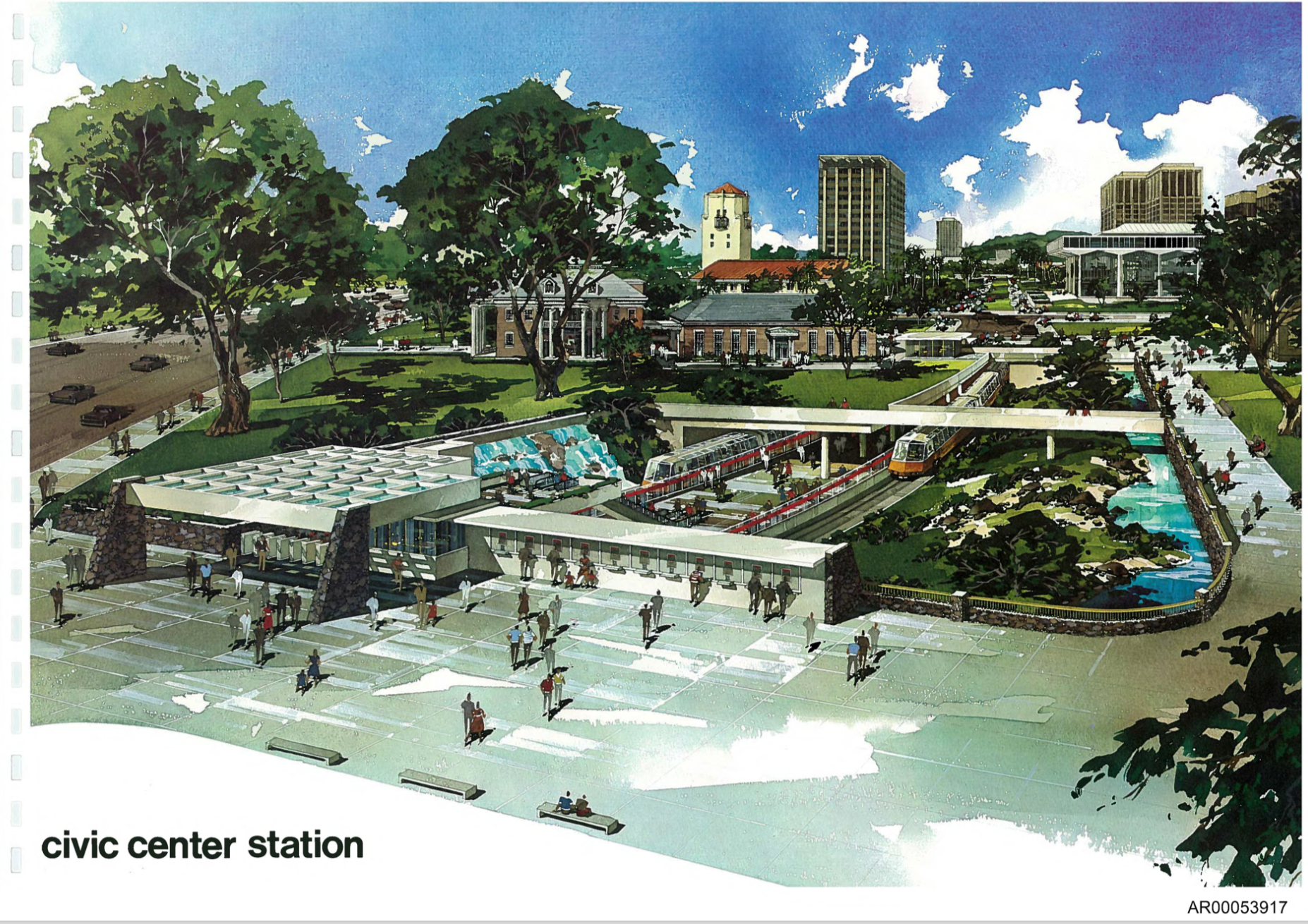
The 1972 rail plan called for the train to run underground through Hotel Street.
build rail right the first time
A properly-executed rail system will function as a spine for smaller, pedestrian-focused development from east to west Honolulu, easing our long-term dependence on cars and encouraging the development of a smarter city.
Connect the rail to the University via a mauka route, preferably underground or at-grade
Expand TOD and affordable housing opportunities along mauka route including in Moiliili
Implement policies to allow for existing urban-zoned areas to be built more densely, with an emphasis on pedestrian-centric patterns and mid-rise buildings
Rail has been poorly executed. Greater fiscal oversight by the city council is imperative.
I support public-private partnerships that will shift the fiscal burden to the private partner in exchange for development rights (similar to the Tokyo subway).
A permanent solution for 'monster houses'
The redevelopment of the urban core is an opportunity to move development pressures into the city and away from our older neighborhoods.
Impose per-parcel restrictions on sewer use.
Develop a system to allow residents to sell unused developable space on their parcels to developers in the urban core.
Let’s solve our parking crisis
We need a comprehensive parking management strategy
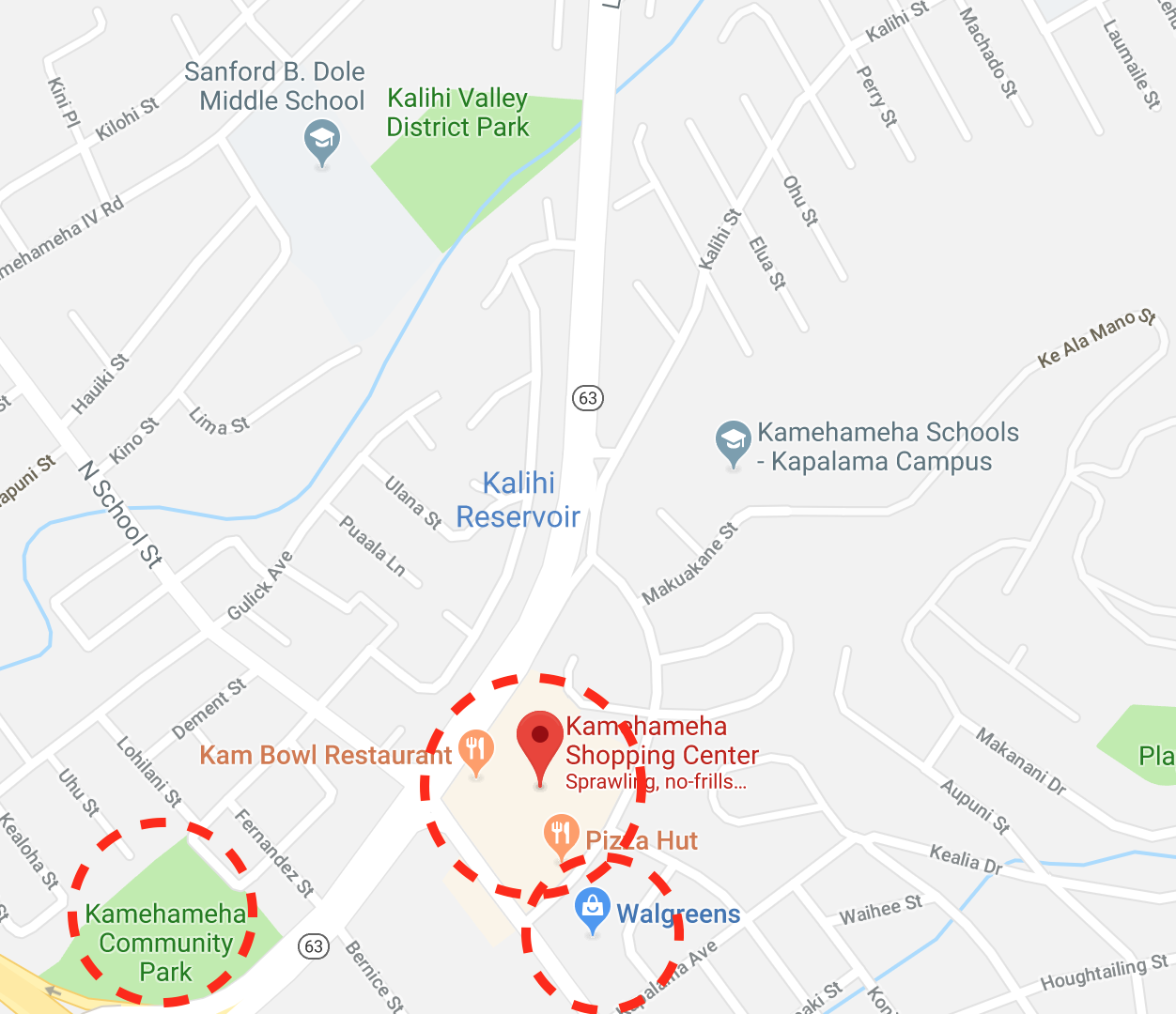
Our parking resources need to be better-allocated
Our island needs a solution which 1) provides parking for working people who require a car; 2) keeps our roads clear for emergency vehicles and provides safety for pedestrians; 3) recognizes that our roads are built on incredibly valuable public lands which are for everyone's benefit; 4) provides an easy and cost-effective transition to the future of our city in which most residents can walk or utilize public transit to accomplish their daily tasks.
My proposal is a variant on the Japanese solution, which requires that residents prove that they have off-street parking before a car is purchased. In Japan, on-street parking is severely curtailed, which has created a market opportunity for providers of off-street parking. When I look at our city, I see many parking lots which are vacant overnight or on most days. I favor a solution which uses a combination of fees, enforcement and market incentives.
Modify and expand the Restricted Parking Zone program, with collected funds going to Neighborhood Boards for local budgeting.
Allow for schools, parks, churches, shopping centers and private residences to compete with the RPZ to offer parking.
Offer a city-sponsored 'amnesty' program to allow for residents to rid their property and surrounding roads of unused vehicles.